

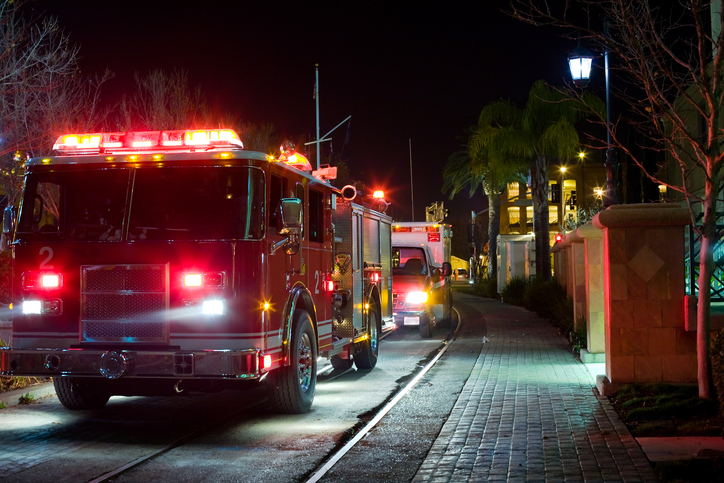
When temperatures drop, the risks facing fire departments rise — especially on the road. Slippery surfaces, reduced visibility, and extended response distances all contribute to a more hazardous operating environment for emergency vehicles during the winter months. Insurance agents play a crucial role in helping their fire department clients prepare for these seasonal exposures with the right firefighter auto insurance.
So, what insurance gaps should fire departments watch for in winter driving conditions? That question deserves careful consideration as we navigate the harshest part of the year.
Why Winter Driving Conditions Increase Risk for Fire Departments
Winter brings a combination of hazards that can affect both everyday driving and emergency response. Ice and snow reduce traction and braking capability, especially on rural or untreated roads. Snowbanks and freezing rain can impair visibility, while road salt can accelerate corrosion — particularly for older apparatus that remain in service for decades.
Rural fire departments and volunteer crews often face longer travel distances during winter, adding time and risk to each response. These factors create a perfect storm of operational and financial vulnerability for departments already stretched thin.
According to the National Fire Protection Association, fire apparatus incidents remain a key contributor to firefighter injuries, even as broader safety efforts continue to advance.
What Gaps in Firefighter Auto Insurance Should Agents Be Aware Of?
Standard commercial auto policies may not fully protect fire departments from the unique risks of winter operations. Agents should review:
- Physical damage limits: Are they adequate to replace aging, customized apparatus?
- Roadside assistance coverage: Does it extend to specialized or heavy-duty vehicles used in fire service?
- Replacement cost versus actual cash value: Older vehicles may be underinsured if policies default to depreciated value after a loss.
Additionally, agents should check for exclusions related to non-standard vehicle modifications, off-road driving, or volunteer use. A fire engine sliding into a ditch while responding on an unplowed road could raise complex questions of coverage if the policy isn’t tailored to real-world operations.
Tips for Helping Fire Clients Prepare for Winter on the Road
Supporting your fire department clients before winter arrives can make all the difference. Consider these proactive steps:
- Conduct a policy review in early fall to identify and resolve potential gaps.
- Recommend pairing auto coverage with management liability coverage to address potential legal risks associated with vehicle maintenance decisions.
- Encourage clients to document all winter maintenance activity — including inspections, tire changes, and salt application. A well-kept maintenance log can support claims and demonstrate due diligence if issues arise.
Supporting Safer Winter Operations Through Better Coverage
Effective firefighter auto insurance coverage helps prevent surprises during a loss. Fire departments evolve year to year — adding new vehicles, modifying old ones, or shifting response areas. Agents should check in regularly to ask about:
- Recent changes to routes or call volume
- Equipment upgrades or vehicle replacements
- Staffing changes, especially with volunteers
Strong coverage, aligned with on-the-ground realities, supports both operational readiness and long-term risk management. Get in touch with us to help your fire department clients navigate the winter ahead with confidence.
FAQ on Firefighter Auto Insurance
What makes firefighter auto insurance different from a standard commercial auto policy?
Firefighter auto insurance typically accounts for the specialized nature of fire apparatus, emergency use, and risks unique to public service operations, which may not be addressed in off-the-shelf commercial auto policies.
Are volunteer departments covered the same way as municipal departments?
Not always. Volunteer departments often face different legal structures, liability exposures, and operational patterns, which can result in significantly different coverage needs. It’s essential to tailor policies to their unique setup.
Does road salt really impact insurance risk?
Yes. Road salt contributes to vehicle corrosion, which can lead to premature equipment failure. If a claim arises from such failure and the vehicle is deemed poorly maintained, it could complicate settlement or coverage.
About Provident FirePlus
Founded in 1902, our rich history involves the creation of custom firefighter insurance benefits in 1928. Today, Provident FirePlus continues to be a pioneer in developing insurance programs for firefighters, EMS providers, municipal entities, and law enforcement. In addition, we provide Special Risks insurance for various volunteer and nonprofit groups. Give us a call today at (412) 963-1200 to speak with one of our representatives