

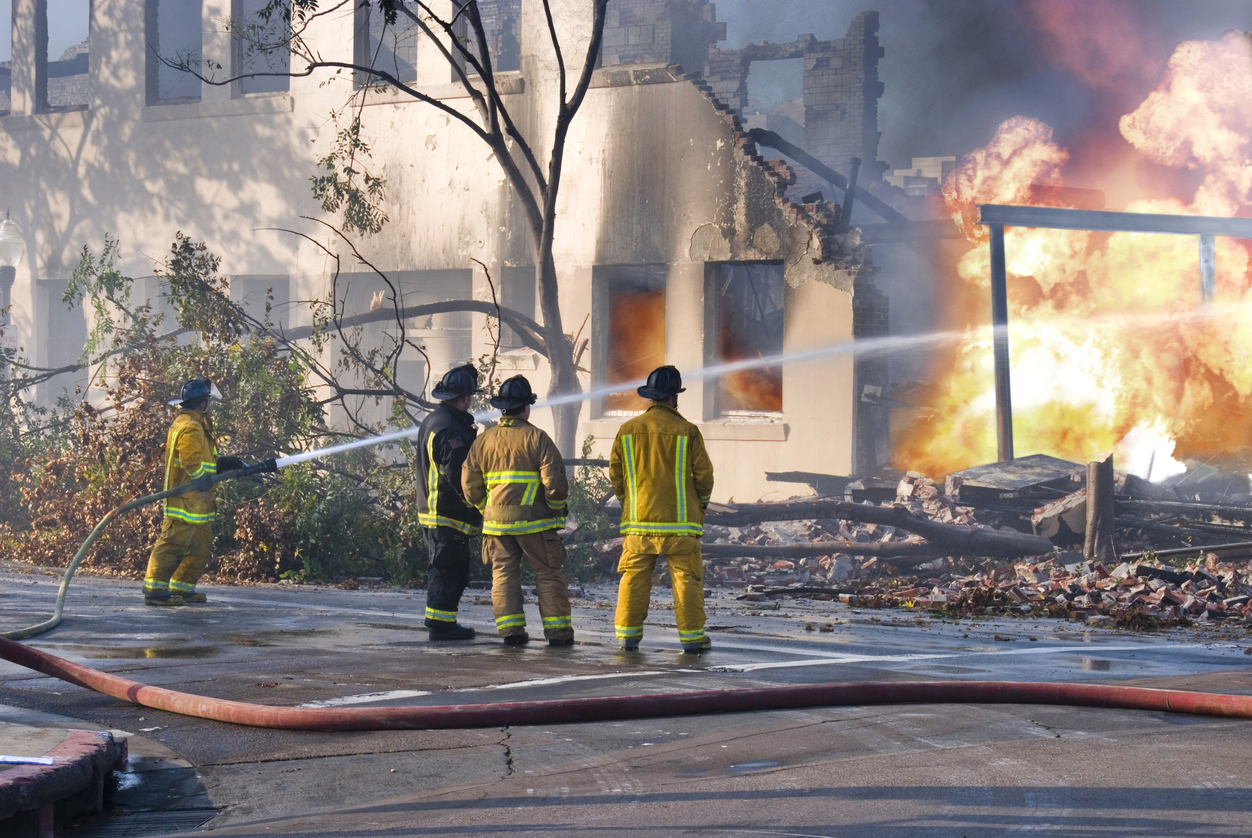
Volunteer firefighters protect millions of people across the country, especially in small and rural communities. According to the National Fire Protection Association’s latest U.S. Fire Department profile, a significant portion of U.S. fire departments rely on volunteers to deliver frontline emergency services. Yet many of those departments operate with limited budgets and evolving responsibilities.
For insurance agents, that reality raises an important question: What is the biggest issue facing firefighter volunteer insurance coverage today? In many cases, it comes down to clarity. When you review a department’s volunteer firefighter insurance, you need to confirm exactly who qualifies as an insured, which activities trigger coverage, and where exclusions could create gaps.
What Issues Face Volunteer Firefighter Insurance Coverage Today?
One of the most common issues is inconsistent policy language combined with outdated assumptions about what volunteers actually do.
Volunteer firefighters no longer respond only to structure fires. Many departments rely on them for medical calls, vehicle extrications, training drills, community education events, and even fundraising activities. The U.S. Fire Administration highlights recruitment and retention challenges in its report on volunteer emergency services. As departments stretch limited personnel, volunteers often take on broader roles, increasing their exposure.
If a policy defines covered duties too narrowly, coverage may not extend to training exercises, travel to events, or department-sponsored activities outside emergency response. That disconnect creates risk for both the individual volunteer and the department leadership.
Where Coverage Gaps Commonly Appear for Volunteer Departments
Coverage gaps typically surface in four areas:
- Training and drills: Some policies fail to clearly define whether injuries during routine or off-site training qualify as line-of-duty incidents.
- Vehicle use: Volunteers who use personal vehicles for department business may assume coverage applies automatically. It often does not without proper structuring.
- Fundraising and community events: Pancake breakfasts, public education programs, and recruitment drives still create liability exposure.
- Coordination with other benefits: Departments may assume that state-funded programs or workers’ compensation fill every gap, even when volunteers do not meet statutory employee definitions.
Agents who work with rural departments often hear the same concern: “Aren’t our volunteers already covered?” The answer depends entirely on how the policy defines eligibility, covered activities, and benefit limits.
How Agents Can Help Close Volunteer Coverage Gaps
Agents play a critical advisory role. Start by reviewing policy definitions line by line. Confirm how the policy defines “volunteer,” “covered activity,” and “line of duty.” Ask department leaders to describe real-world operations, not just emergency response.
Next, evaluate whether accident and health benefits align with the department’s actual risk profile. Volunteers often lack traditional employee benefits, so gaps in medical or disability coverage can create financial strain after an injury.
Finally, address recruitment and retention. When volunteers question whether the department truly protects them, morale suffers. Clear, well-structured volunteer firefighter insurance supports confidence and stability in the ranks.
Strengthening Volunteer Protection Through Policy Clarity
Coverage gaps can result from assumptions, legacy language, or budget constraints. As an agent, you can correct those issues before a claim exposes them.
Well-designed volunteer firefighter insurance programs should reflect how departments operate today, not how they operated 20 years ago. By proactively reviewing definitions, confirming covered activities, and aligning benefits with real-world duties, you protect both the department and the individuals who serve it.
If you want to review your clients’ volunteer programs or identify potential coverage gaps, get in touch with us. Our team at Provident FirePlus understands the operational realities volunteer departments face and can help you structure coverage that reflects them.
FAQ: Volunteer Firefighter Insurance
What is a common issue facing firefighter volunteer insurance coverage today?
Most issues stem from unclear definitions of who qualifies as a volunteer and which activities count as line-of-duty. Modern volunteer roles extend far beyond fire suppression, and policies must reflect that reality.
Are volunteer firefighters automatically covered under workers’ compensation?
Not always. Eligibility varies by state, and some volunteers do not meet statutory employee definitions. Agents should verify how state programs coordinate with department-specific coverage.
Do fundraising and community events create liability exposure?
Yes. Any department-sponsored activity can create potential liability or injury exposure. Policies should clearly address these scenarios.
About Provident FirePlus
Founded in 1902, our rich history involves the creation of custom firefighter insurance benefits in 1928. Today, Provident FirePlus continues to be a pioneer in developing insurance programs for firefighters, EMS providers, municipal entities, and law enforcement. In addition, we provide Special Risks insurance for various volunteer and nonprofit groups. Give us a call today at (412) 963-1200 to speak with one of our representatives.