

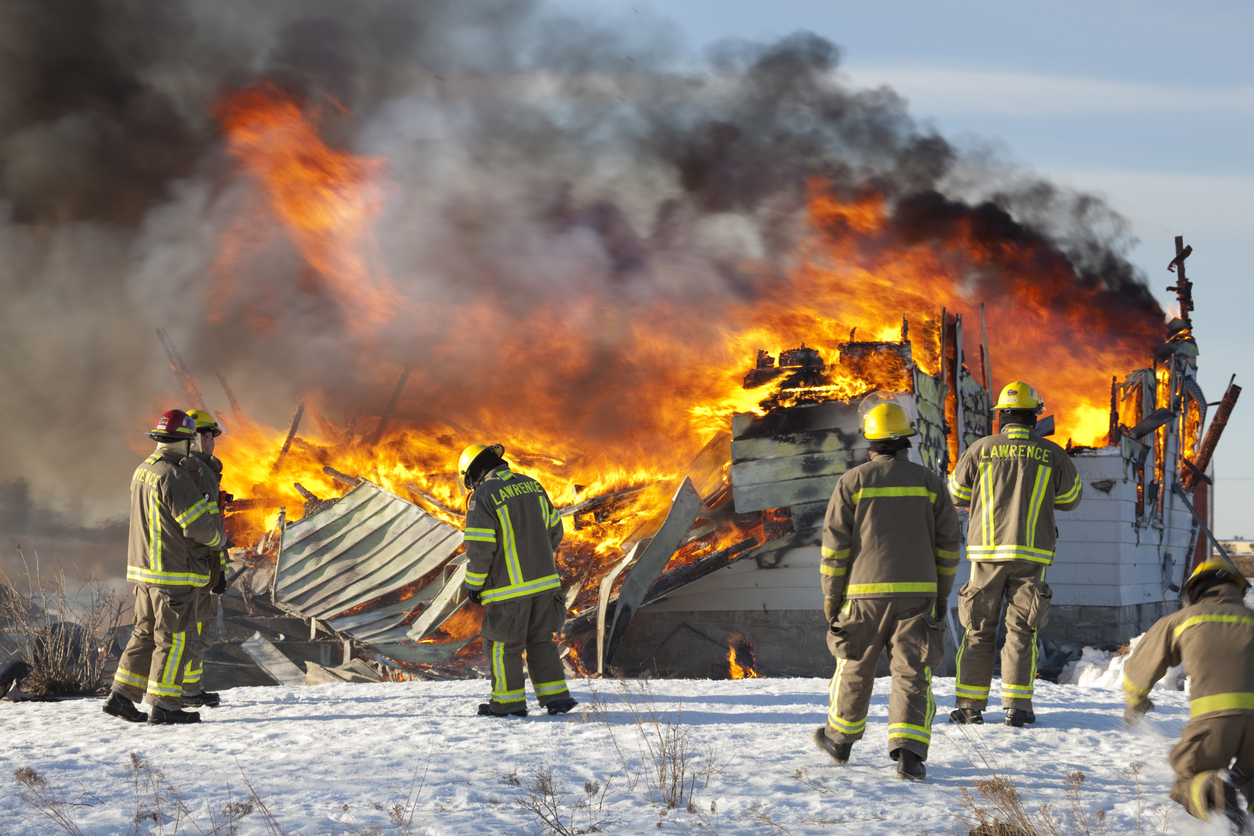
Winter weather may bring scenic snowfall, but for fire departments, it also brings a spike in emergency responses involving structural fires, slick roadways, and ice-covered properties. Each of these scenarios presents complex liability risks. What insurance covers firefighters during winter emergencies, such as ice and structure fires? In many cases, departments rely on comprehensive firefighter insurance solutions that include general and excess liability to manage these high-risk situations.
When fire departments respond in subfreezing temperatures, the exposures are multifaceted. Slips and falls on icy walkways, collisions during vehicle operations, and roof collapses due to the combined effects of snow load and fire damage are all common hazards. As these risks intensify, so does the need for well-structured insurance coverage that goes beyond general liability to protect both personnel and third-party interests.
Why Winter Emergencies Increase Liability for Fire Departments
Ice and snow transform every scene into a potential claim. During winter months, frozen surfaces are a major contributor to slip-and-fall incidents, not just for fire personnel but also for civilians and bystanders. These claims can become costly, mainly when the fall occurs on private or third-party property.
In structure fires, colder conditions exacerbate structural vulnerability. Roofs already compromised by heat can collapse more readily under the weight of accumulated snow or ice. Data from the National Fire Protection Association (NFPA) indicate that home fires involving heating equipment follow a distinct seasonal pattern, with the highest incidence occurring during cold-weather months.
What Coverage Does Firefighter Insurance Provide in These Scenarios?
Excess liability insurance plays a critical role when general liability limits are exhausted by severe claims, which is not uncommon in winter operations. These high-severity situations — such as a catastrophic fall on an icy driveway or a multi-vehicle accident involving an emergency vehicle — require financial protection that aligns with the real risks of fire service work.
Coverage lines particularly important in cold-weather operations include:
- General liability insurance: Covers bodily injury or property damage claims against the department
- Portable and mobile equipment: Protects valuable tools and machinery used on scene, which may freeze or fail in low temperatures
- Property insurance: Covers fire stations and owned structures from weather-related damage or loss
For volunteer departments or hybrid crews, volunteer firefighter insurance provides an added layer of coverage for individuals not covered under standard employment policies. Particularly in rural areas, where icy terrain and long travel distances increase risk, this coverage becomes essential.
How Can Departments Reduce Winter Response Liability?
Insurance mitigates financial risk, but operational readiness is the first line of defense. Several best practices can help limit exposure during cold-weather operations:
- Conduct pre-response site assessments: Especially critical on icy or unfamiliar terrain, these evaluations help crews avoid treacherous conditions.
- Issue and use snow melt or rock salt: Keeping station sidewalks and aprons clear reduces the chance of on-site slips and falls.
- Test and maintain vehicle systems: Apparatus should have functioning heaters, defrosters, and tire chains. Crews should practice installing chains and test automatic systems routinely.
- Keep a winter readiness kit on board: Buckets of sand or absorbent material, shovels, and hand warmers can prevent small issues from becoming major hazards.
- Coordinate with public works and towing services: When responding to locations on steep or icy grades, have a plan in place in case fire apparatus cannot safely reach the scene.
Departments should also review their portable and mobile equipment and property coverage policies before the first snowstorm hits. Winter-specific risks like frozen hoses, snowplow damage to fire apparatus, and burst pipes in unattended buildings demand a tailored approach to risk management.
Be Ready for the Season With Tailored Firefighter Coverage
Fire department liability doesn’t take a break when the temperature drops. Winter-specific risks, such as compromised structures, frozen gear, and treacherous terrain, increase the likelihood of high-severity claims that can quickly exceed standard coverage limits. A comprehensive firefighter insurance strategy — anchored by excess and general liability policies — helps your clients prepare for what the season might bring.
Encourage departments to take a proactive approach. Review winter response protocols, validate coverage limits, and ensure that all equipment and property policies are aligned with the realities of cold weather. When the call comes in, the proper protections should already be in place.
Contact us to discover how Provident FirePlus can assist your clients during peak response season.
FAQ About Insurance for Winter Emergencies
What insurance covers firefighters during winter emergencies, such as ice and structure fires?
Firefighter insurance typically includes general liability and excess liability to cover third-party claims for injury or property damage. Specialized policies may also include coverage for portable and mobile equipment and property, particularly relevant during cold-weather operations.
Are volunteer firefighters covered under the same policies?
Not always. Volunteer firefighter insurance is often a separate product designed to protect individuals who are not full-time employees of the organization. It’s essential in rural areas or hybrid departments.
What winter risks are most likely to result in insurance claims?
Common winter-related claims include slips and falls on icy surfaces, accidents involving emergency vehicles, and structural collapse during fire suppression efforts in snow-laden buildings.
How can fire departments better prepare for winter emergencies?
In addition to having the right insurance coverage, departments can train for cold-weather operations, equip vehicles with winter-readiness kits, and conduct site-specific risk assessments. Guidance from experienced firefighters emphasizes proactive steps like testing defrosters, using rock salt at stations, and evaluating hilly road conditions before apparatus entry.
About Provident FirePlus
Founded in 1902, our rich history involves the creation of custom firefighter insurance benefits in 1928. Today, Provident FirePlus continues to be a pioneer in developing insurance programs for firefighters, EMS providers, municipal entities, and law enforcement. In addition, we provide Special Risks insurance for various volunteer and nonprofit groups. Give us a call today at (412) 963-1200 to speak with one of our representatives.