

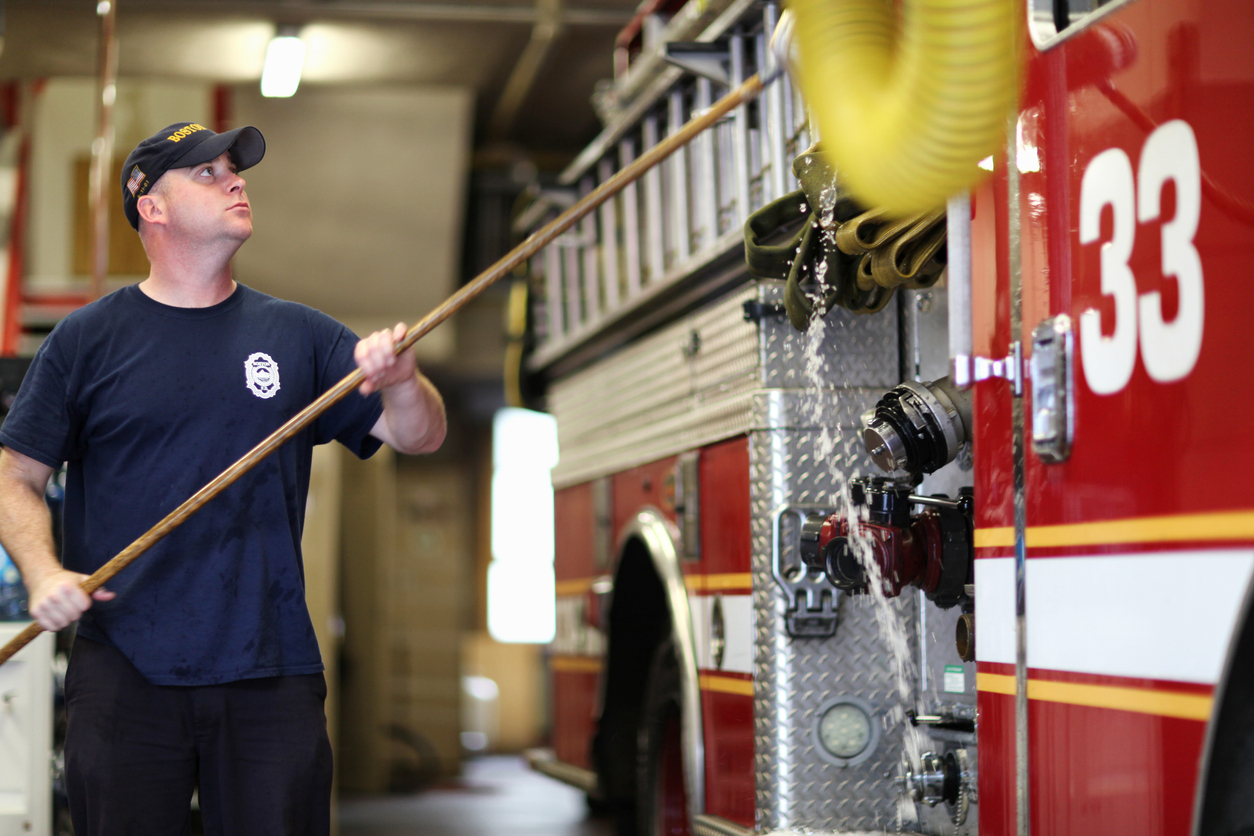
Spring marks a busy operational period for many fire departments. Stations schedule facility inspections, equipment servicing, and seasonal cleanup projects to prepare for the months ahead. These activities support readiness, but they also introduce new liability risks within the station environment.
For insurance agents serving fire departments, spring offers an opportunity to revisit coverage discussions. Programs that include firefighter insurance with general liability coverage can help departments manage risks arising from maintenance, training, and community engagement activities.
So what insurance coverage helps protect fire departments from liability risks at the station? The answer often begins with general liability protection designed specifically for emergency service organizations.
Why Spring Brings New Liability Risks for Fire Stations
Warmer weather can lead to increased activity at fire stations. Departments may host volunteer workdays, perform facility repairs, and welcome vendors who service equipment or vehicles. Each activity brings additional foot traffic and operational exposure.
Several common risks appear during this seasonal transition:
- Slip-and-fall hazards: Wet floors during station cleaning, equipment washing, or maintenance projects can create injury risks for visitors and volunteers.
- Visitor and vendor injuries: Contractors performing repairs or community members attending station events may suffer injuries while on the premises.
- Temporary work environments: Equipment servicing, construction projects, and moving apparatus can introduce hazards that do not exist during routine operations.
Many departments depend heavily on volunteer personnel and community support. According to the National Volunteer Fire Council, volunteer organizations represent a significant portion of the U.S. fire service, which increases the number of nonemployees who may interact with station facilities. The more individuals who enter the station environment, the greater the potential for third-party liability exposures.
What Does General Liability Cover for Fire Departments?
General liability coverage plays a central role in many firefighter insurance programs. It helps protect departments when third parties claim that station operations caused injury or property damage.
Typical exposures addressed by general liability coverage include:
- Third-party bodily injury claims: For example, a contractor may slip during a maintenance project.
- Property damage claims: A vendor’s equipment could become damaged during station operations.
- Legal expenses: Coverage often includes legal costs associated with defending a claim.
Fire departments operate differently from standard commercial businesses. They maintain emergency apparatus, conduct training drills, and host community outreach events within the same facility. Insurance coverage should reflect those unique operational realities.
Spring Is a Smart Time for Agents To Review Station Risk
Insurance agents can use the spring maintenance season as a natural conversation starter with fire department clients. As facility activity increases during this period, encourage departments to take the following steps:
- Conduct a station safety walkthrough before major cleaning or repair projects begin.
- Review visitor and contractor procedures for anyone entering the facility.
- Update incident documentation protocols to capture injuries or property damage.
- Reevaluate liability limits to confirm they align with current operational exposures.
When departments combine these safety efforts with appropriate liability coverage, they strengthen their overall protection strategy.
Supporting Safer Stations With the Right Coverage
Fire stations serve as active workplaces, training environments, and community gathering points. Seasonal maintenance and facility projects can introduce liability exposures that insurance agents should not overlook.
Well-structured firefighter insurance programs that include general liability coverage help departments manage these risks while focusing on their mission of protecting the public.
Spring offers a timely opportunity to review station safety practices and verify that coverage aligns with real-world operations. Agents who proactively guide these conversations deliver meaningful value to their fire department clients.
To learn more about specialized insurance solutions designed for fire departments, get in touch with Provident FirePlus today.
FAQ on Spring Safety
What insurance coverage helps protect fire departments from liability risks at the station?
General liability insurance typically provides protection when third parties claim that bodily injury or property damage occurred at a fire station. This coverage may also help cover legal defense costs related to those claims.
Why do fire stations face higher liability risks during spring?
Spring often brings facility repairs, equipment servicing, and volunteer cleanup projects. Increased activity, visitors, and temporary work environments can raise the likelihood of accidents.
How can insurance agents help fire departments reduce station liability risks?
Agents can encourage departments to conduct seasonal safety inspections, update visitor procedures, document incidents carefully, and review liability coverage limits before maintenance projects begin.
About Provident FirePlus
Founded in 1902, our rich history involves the creation of custom firefighter insurance benefits in 1928. Today, Provident FirePlus continues to be a pioneer in developing insurance programs for firefighters, EMS providers, municipal entities, and law enforcement. In addition, we provide Special Risks insurance for various volunteer and nonprofit groups. Give us a call today at (412) 963-1200 to speak with one of our representatives.