

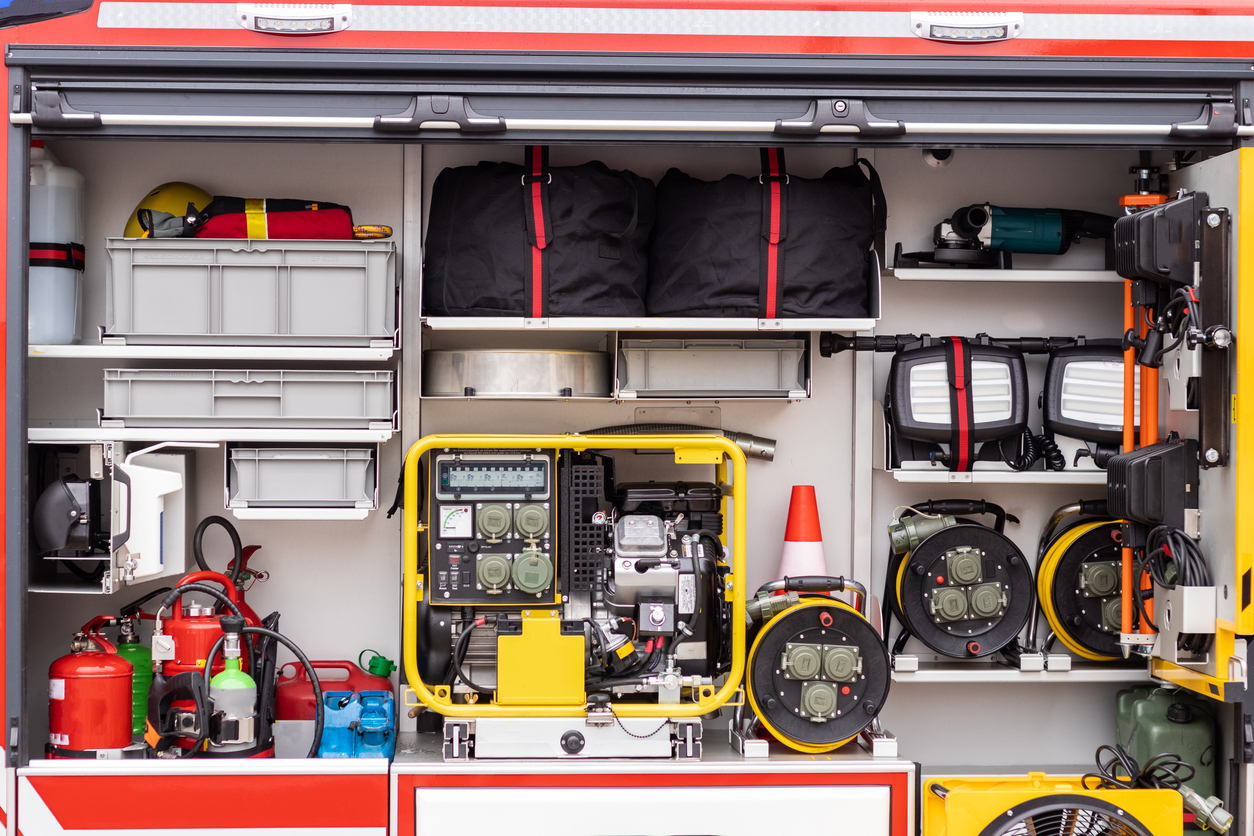
Fire departments depend on a wide range of specialized tools that move between stations, vehicles, and emergency scenes. Generators, ventilation fans, hydraulic rescue tools, and portable pumps travel wherever crews respond. Because these assets rarely stay in one place, insurance agents should regularly review coverage, such as portable and mobile equipment insurance, with their fire department clients.
What does portable and mobile equipment insurance cover? In most cases, it protects movable tools and specialized gear that are not permanently attached to a vehicle or building. When departments transport equipment between stations, training sites, or emergency responses, those assets face risks that standard property or auto policies may not fully address.
FirePlus provides comprehensive insurance coverage for fire apparatus, turnout gear, radios, and other mobile or portable emergency equipment. In the event of a loss, this coverage helps fire departments and emergency service organizations replace critical tools so they can remain operational and continue protecting their communities.
What Is Portable and Mobile Equipment Insurance?
Unlike fixed building property or permanently mounted vehicle equipment, portable and mobile equipment insurance protects tools and specialized assets that travel outside a fire station or apparatus. Common examples in fire department operations include:
- Portable generators used during extended incidents
- Hydraulic rescue tools, such as cutters and spreaders
- Ventilation fans for smoke removal
- Portable water pumps used in rural or wildfire operations
- Command, communication, and monitoring equipment
Departments transport these assets to emergency scenes, training facilities, and community demonstrations. When equipment leaves the station, coverage questions can arise. Property insurance typically covers assets located at insured premises, while commercial auto policies primarily cover vehicles and attached equipment. Portable equipment that travels separately may require its own coverage structure.
Why Spring Is a Good Time To Review Equipment Coverage
Spring marks a busy operational period for many fire departments. Warmer weather brings more outdoor training exercises, equipment inspections, and public safety events. Departments also prepare apparatus and gear for wildfire season in many regions.
These seasonal activities increase equipment movement. Crews transport tools to training grounds, community outreach events, and mutual aid exercises. Every transfer creates opportunities for loss or damage.
Some exposures that agents should discuss with clients include:
- Theft from vehicles or equipment trailers
- Damage during loading, unloading, or transport
- Misplacement of tools during multi-agency responses
Fire safety experts also encourage departments to maintain equipment and ensure proper handling procedures during workplace operations.
Common Coverage Gaps Agents Should Watch For
Many fire departments build their equipment inventories over time through grants, donations, and municipal purchases. Without periodic reviews, insurance schedules may not reflect the current value of those assets.
Agents should evaluate several potential gaps:
- Outdated equipment schedules that omit newer tools
- Valuation methods that rely on actual cash value instead of replacement cost
- Coverage limits that do not reflect current replacement prices
- Portable equipment stored or transported in locations not listed in the policy
Rescue tools, communication gear, and portable pumps often carry substantial replacement costs. An inventory review helps confirm that coverage limits align with the department’s actual equipment exposure.
How Agents Can Help Fire Departments Protect Their Mobile Assets
Insurance agents who work with fire departments can provide practical guidance during coverage reviews.
Start with an equipment inventory. Departments should document asset descriptions, serial numbers, and estimated replacement values. That inventory helps agents confirm policy schedules and coverage limits.
Agents should also discuss how departments transport equipment. Some tools travel in apparatus compartments, while others move in trailers or utility vehicles.
Encourage clients to review equipment coverage annually and consider the following steps:
- Conduct annual equipment inventory reviews.
- Document serial numbers and replacement values.
- Confirm that equipment transported in vehicles remains covered.
- Coordinate property, inland marine, and auto policies where appropriate.
Helping Fire Departments Protect the Tools They Depend On
Portable rescue and response equipment plays a vital role in emergency operations. Yet these assets often move between locations where traditional property coverage may not apply in the same way.
Portable and mobile equipment insurance helps protect the tools firefighters rely on during emergencies, training exercises, and community events. For insurance agents serving fire departments, reviewing this coverage each spring provides a timely opportunity to confirm that equipment schedules, limits, and valuations remain accurate.
To learn more about specialized coverage designed for fire departments, get in touch with us today.
FAQ on Portable Equipment Insurance
What does portable and mobile equipment insurance cover?
Portable and mobile equipment insurance generally covers movable tools and equipment that are not permanently attached to a vehicle or building. For fire departments, items may include generators, rescue tools, ventilation fans, portable pumps, and communication equipment used at emergency scenes or training locations.
Why might fire departments need separate coverage for portable equipment?
Portable equipment often travels between locations and may not remain at the insured premises listed in a property policy. Because of this mobility, agents may structure coverage through specialized policies designed to protect movable assets.
How often should agents review equipment coverage with fire department clients?
Agents should review equipment inventories and coverage limits at least once a year. Seasonal checkpoints, such as spring training cycles, help confirm that coverage schedules reflect current equipment and replacement costs.
About Provident FirePlus
Founded in 1902, our rich history includes the creation of custom firefighter insurance benefits in 1928. Today, Provident FirePlus remains a pioneer in developing insurance programs for firefighters, EMS providers, municipal entities, and law enforcement. In addition, we provide Special Risks insurance for various volunteer and nonprofit groups. Give us a call today at (412) 963-1200 to speak with one of our representatives.