
Summer brings pancake breakfasts, open houses, and community fairs to fire stations across the country. These events build public goodwill, generate revenue, and strengthen community relationships. But they also introduce liability exposure that falls well outside what departments face during normal emergency operations. Helping clients understand their firefighter insurance needs before event season peaks is one of the most practical conversations you can have right now.
Why Do Community Events Create Unique Liability Risks for Fire Departments?
When a fire department opens its doors to the public, the risk profile changes in ways that standard coverage may not fully address. Slips and falls, crowd-related injuries, property damage, and volunteer incidents are all on the table the moment you invite the public onto department grounds.
A child trips near an apparatus bay. A vendor table collapses and injures a bystander. A parking lot fender-bender becomes a liability dispute.
For volunteer, combination, and career fire departments already working on tight budgets, one serious injury or accident can result in a lawsuit that leaves the organization financially exposed, even when significant limits exist under primary policies. One catastrophic claim could jeopardize the services communities depend on.
What Event Risks Are Most Common at Fairs and Fundraisers?
Bounce houses, apparatus displays, food service, live demonstrations, and children’s activities each have distinct exposure levels. Heat-related illness, parking lot congestion, and crowd bottlenecks near equipment add to the problem.
When a vendor causes an injury, departments often discover that liability does not transfer automatically. Reviewing vendor contracts, confirming vendors carry their own coverage, and collecting certificates of insurance before the event are steps many departments skip.
When departments run the same events year after year, it’s easy to stop seeing the hazards that have always been there. Identifying potential risks means asking what the worst-case scenarios look like for your programs, your staff, and the public, and that kind of honest assessment is exactly where an agent can add value.
How Can Fire Departments Reduce Liability Before Event Day?
A formal site walkthrough before a large public event helps organizers spot hazards, establish crowd flow patterns, and assign responsibilities. Agents should prompt clients to think through these areas specifically:
- Emergency response planning: Who handles a medical emergency on site if department personnel are working as event staff?
- Weather contingency plans: What triggers a cancellation, and how will the department communicate that to attendees?
- Volunteer training: Have volunteers been briefed on safety responsibilities and who to contact if they spot a hazard?
- Documentation: Are there written safety procedures and incident logs that create a defensible record if a claim surfaces later?
For large events near public roads, coordinating traffic management with local officials is worth raising with them. Departments sometimes assume volunteers can handle it, and that assumption can create additional exposure.
Are Volunteers, Vehicles, and Equipment Properly Protected?
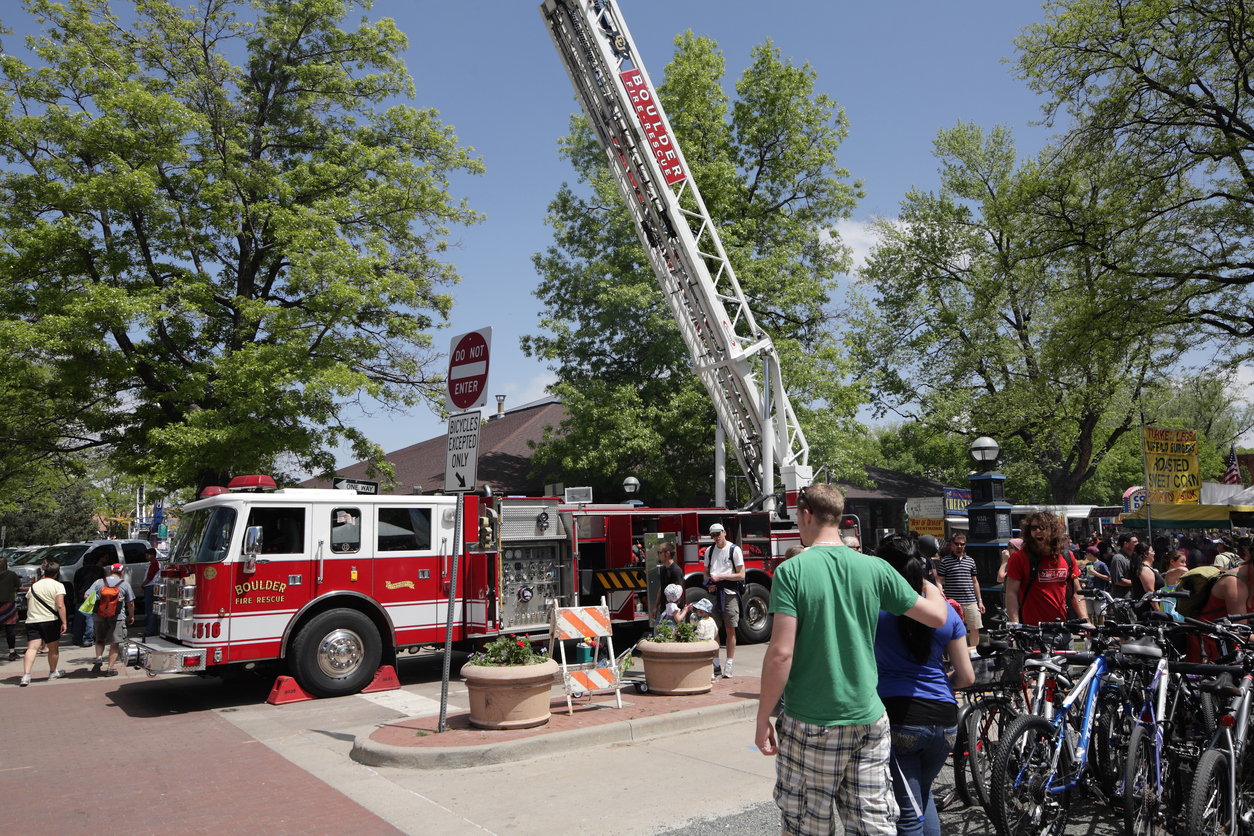
Apparatus displays draw curious crowds, including children who may attempt to climb on vehicles. Physical barriers, dedicated staffing, and clear signage are not optional when equipment is accessible to the public. Volunteer roles also need definition. A volunteer directing traffic or assisting with food service creates exposure if oversight and responsibilities are unclear.
Management liability coverage addresses wrongful acts, employment practices, and decisions made by directors, officers, and members in their organizational capacity. Leadership decisions regarding vendor selection, event layout, or volunteer supervision can give rise to claims that general liability coverage does not cover.
It is also worth reviewing whether primary limits are adequate for a high-attendance public event. FirePlus’s excess liability program responds once primary limits are exhausted, providing up to $10 million in capacity across underlying general liability, management liability, business automobile, and employers’ liability policies. For departments on constrained budgets, that additional layer can be the difference between absorbing a severe loss and facing exposure that threatens ongoing operations.
Helping Clients Turn Community Events Into Safer Success Stories
Fundraisers fund equipment. Open houses build public support. Fairs strengthen the bond between departments and the communities they serve. Agents who help protect those investments become long-term advisors, not just someone clients call after something goes wrong.
Start by asking what events clients have planned this summer. Walk through the questions above, identify coverage gaps, and get ahead of the season. Get in touch with Provident FirePlus for specialized support serving fire departments and municipal organizations.
Fairs & Fundraisers FAQ
What are the most common claims from fire department community events?
Slip-and-fall injuries, parking lot accidents, and incidents near apparatus displays are claims that can arise from public events. Vendor-related disputes also surface when contracts do not clearly define responsibility.
How far in advance should fire departments plan event safety measures?
For large events that require coordination with local officials or traffic management, allow several weeks of lead time to address gaps before event day.
Who is responsible if a vendor causes an injury at a fire department event?
Responsibility depends on the vendor contract, the nature of the injury, and whether the department exercised oversight. Requiring vendors to carry their own coverage and reviewing indemnification language before the event reduces the risk of unexpected exposure.
About Provident FirePlus
Founded in 1902, our rich history includes the creation of custom firefighter insurance benefits in 1928. Today, Provident FirePlus remains a pioneer in developing insurance programs for firefighters, EMS providers, municipal entities, and law enforcement. In addition, we provide Special Risks insurance for various volunteer and nonprofit groups. Give us a call today at (412) 963-1200 to speak with one of our representatives.