

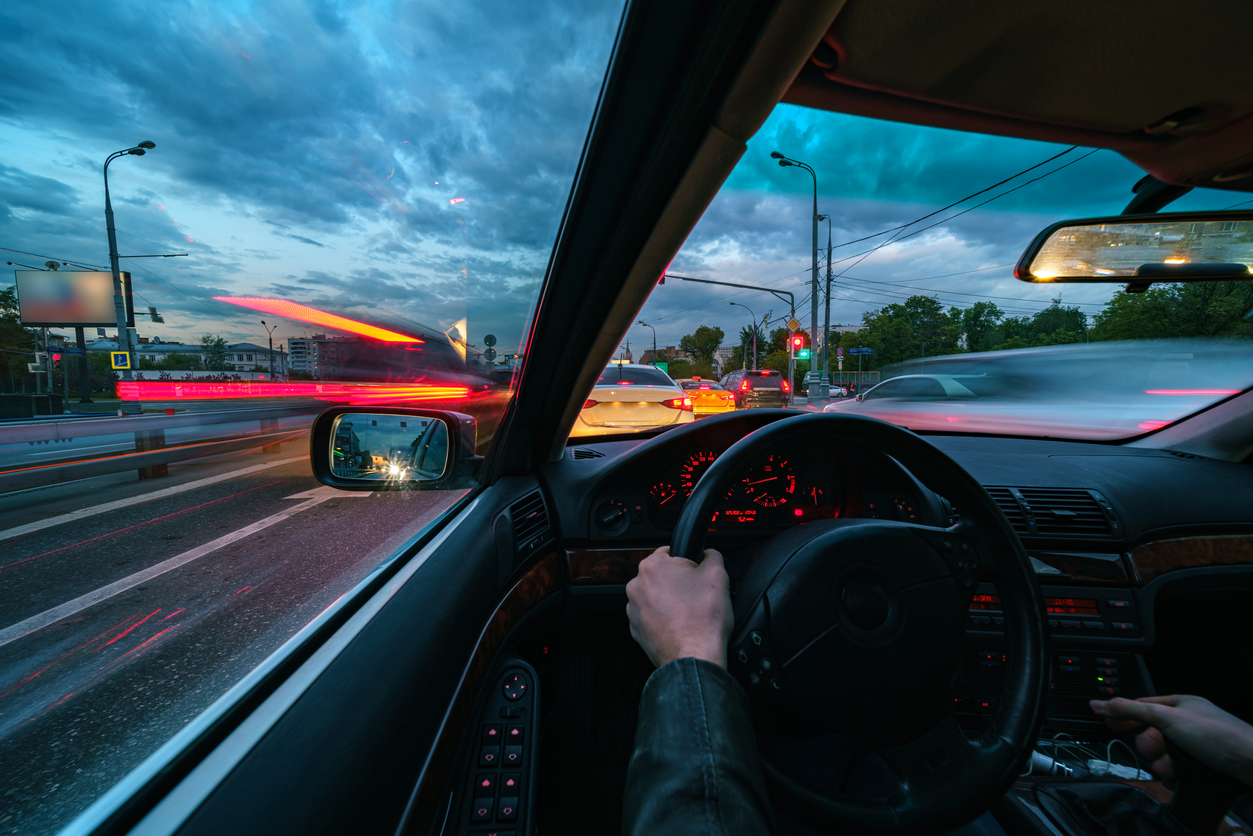
According to the National Volunteer Fire Council, 62% of the nation’s firefighters are volunteers — and a significant share of them respond to calls, training events, and mutual aid incidents in their personal vehicles. That reality creates coverage questions many departments haven’t fully worked through. Auto insurance for volunteer firefighters sits in a gray area between personal lines and commercial exposure, and agents who work with fire departments need to understand the limitations of personal policies.
Does personal auto insurance cover volunteer firefighters responding to emergencies? The short answer: It depends — and that ambiguity is exactly where claims get complicated.
Why Can Personal Vehicles Create Liability Challenges for Volunteer Fire Departments?
Volunteer firefighters don’t always respond from the station. Many drive directly to a scene, especially in rural areas where station coverage is thin and every minute matters. That means personal vehicles operate under genuine emergency conditions — speeding to an incident, navigating traffic while receiving dispatch notifications, or hauling department gear in a pickup bed.
State laws add another layer of complexity. Some states permit volunteers to use emergency lighting or audible warning devices in their personal vehicles; others restrict or prohibit that privilege entirely. A volunteer who activates an unauthorized warning device and causes an accident may face personal liability that no policy — personal or departmental — fully addresses. According to the U.S. Fire Administration’s 2023 firefighter fatality report, vehicle collisions ranked as the second leading cause of firefighter deaths that year at 20%, trailing only stress/overexertion.
Does Personal Auto Insurance Fully Cover Volunteer Emergency Response Activity?
Personal auto policies cover personal use. When a volunteer drives to a scene under department direction, that activity starts to look like something else — and carriers have latitude to dispute coverage based on policy language and how the vehicle was being used at the time of a loss.
Coverage disputes can arise in scenarios such as:
- Transporting generators, traffic cones, rehab supplies, or other department-owned equipment
- Carrying other volunteers as passengers during a response
- Traveling between jurisdictions under a mutual aid agreement
- Attending department-sponsored training events off-site
Non-owned auto liability coverage, typically included in a commercial auto policy, can help address these gaps at the departmental level. But that coverage doesn’t automatically protect the individual volunteer’s personal policy from being pulled into a claim. Agents should walk fire department clients through both sides of that equation.
What Risk-Management Steps Should Fire Departments and Agents Consider?
Departments that rely on volunteers driving their own vehicles benefit from written driving policies that define when and how volunteers may use their own vehicles for department activities. Those policies should address motor vehicle record review standards, minimum insurance requirements for volunteers, and approved uses for personal vehicles during mutual aid responses.
Excess liability coverage is another consideration worth raising. When a personal auto policy and a department’s general liability coverage both apply — or both disclaim — the resulting gap can be significant. Reviewing how excess and umbrella policies interact with both personal and departmental auto exposures provides departments with a clearer picture of their actual risk. Provident FirePlus’s general liability coverage for fire departments is built with these real-world scenarios in mind.
Start the Conversation Before a Claim Does
Volunteer departments operate differently from career departments, and their insurance programs need to reflect that. The driving behavior that defines volunteer response — rapid, off-duty mobilization in personal vehicles — doesn’t fit neatly into standard personal or commercial auto categories.
Agents who raise these issues proactively, before a loss surfaces, deliver real value to their fire department clients. To learn more about auto liability options for volunteer fire departments, get in touch with Provident FirePlus today.
About Provident FirePlus
Founded in 1902, our rich history includes the creation of custom firefighter insurance benefits in 1928. Today, Provident FirePlus continues to be a pioneer in developing insurance programs for firefighters, EMS providers, municipal entities, and law enforcement. In addition, we provide Special Risks insurance for various volunteer and nonprofit groups. Give us a call today at (412) 963-1200 to speak with one of our representatives.